Lead acid batteries Lead acid batteries are used in equipment and for vehicle start-up. They are the best sellers because they are cheap and cheerful. In this post, we will discuss what are lead acid batteries and their pros and cons, how they impact the environment, recent advancements in their technology, and how to maintain them.
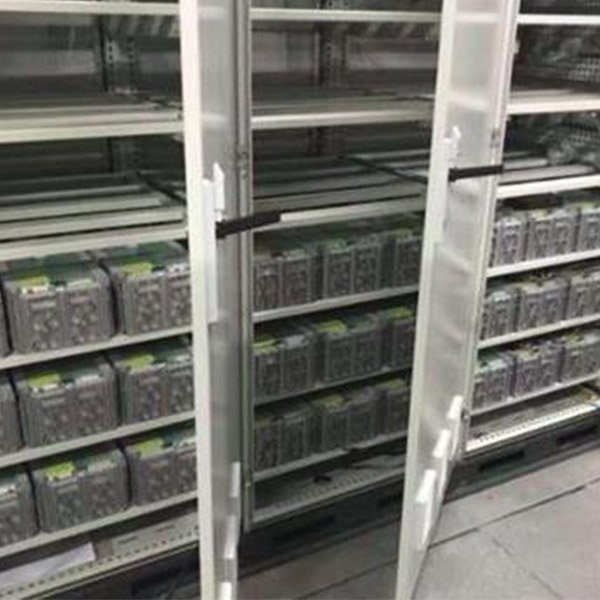
Lead-acid batteries are constructed with lead plates in a liquid electrolyte. As electricity is pumped in through the battery, a chemical reaction occurs where power is made. These batteries are available in all shapes and sizes and can be used in a large variety of things, including cars, trucks, boats and motorcycles. They are also employed as a backup source of power for homes and businesses.
One of the major benefits of lead acid cells is that they are inexpensive. They are also reliable and should last you a long time if you treat them right. But lead acid batteries are heavy and large, and so they are difficult to be moved or installed. And the power in some other batteries doesn’t last as long as theirs, either. Besides, they must be taken good care of to produce good performance.
Lead acid batteries can harm our surroundings if thrown away inappropriately. Lead, if it leaks, is a dangerous metal that can contaminate soil and water. This is why the use of lead acid battery should only be done at special sites and properly recycled. When you recycle you are also protecting nature and saving valuable materials — the lead and other parts could be used for new products.
There have been some specific developments in lead may battery technology more recently that make them function well. One innovation is employing absorbent glass mat (AGM) technology, which prevents spillaging of the electrolyte. AGM batteries are very low-maintenance and can be mounted in any position, so they’re great for cars and any small space!
Here are a few easy care tips to ensure your lead acid batteries have a long life. First, prevent the batteries from being dirty and rusted. Monitor the electrolyte frequently and add distilled water as necessary. Don’t fully charge the batteries all the time or completely drain them, as both can damage them. Last but not least, if you’re not using lead acid batteries, keeping them in a cool, dry place will also make them last longer.
Dongturbo Electric Company Ltd (DTEC). is an international corporation, with its headquarter in Chengdu, China, and manufacturing bases in Deyang and Kunming, China, mainly engaged in the manufacturing of power electric equipments, EPCC(engineering, procurement, construction, commissioning), investment & finance, and export and import business. DTEC also has branches and joint venture in Malaysia, Thailand and the Philippines. Our business scope covers EPC, supply equipments and materials for thermal power including boiler, turbine, generator and their auxiliaries, BOP, electric and C& I etc; EPC and equipment supply for PV, thermal solar power, Wind &PV hybrid and energy storage system; spare parts supply and power plant.
Committed to excellence in every aspect of our business, we prioritize building long-lasting relationships with our customers that extend beyond mere transactions. We understand that our clients’ success is our success, and this drives us to consistently deliver not only high-quality products but also exceptional service. Our team is always prepared to go the extra mile, proactively addressing any challenges and anticipating the needs of our customers. By fostering open communication and actively seeking feedback, we ensure that we remain aligned with their goals and expectations. This customer-centric approach allows us to tailor our solutions and support, ultimately enhancing their overall experience and satisfaction. We believe that through these strong partnerships, we can create mutual growth and success, paving the way for a prosperous future together.
Our unwavering commitment to research and development is a cornerstone of our operations, enabling us to stay ahead in the rapidly evolving landscape of power generation technology. By continually investing in innovative practices and the latest advancements, we ensure that our products not only meet but exceed industry standards. This dedication allows us to provide our clients with cutting-edge solutions that are tailored to their unique operational needs. Each customized product is designed to deliver maximum value and efficiency, ultimately empowering our clients to optimize their processes, reduce costs, and enhance their overall productivity. Through this proactive approach, we not only bolster our position as a leader in the industry but also contribute to the sustainable growth of our partners in power generation.
We are a leading global manufacturer and supplier of power generation equipment, dedicated to serving clients worldwide. Our commitment to excellence goes beyond merely providing products; we understand that our success is intrinsically linked to the prosperity of our customers. By prioritizing their needs and challenges, we aim to develop innovative solutions that enhance their operations and drive their growth. Our extensive experience in the industry enables us to offer tailored support, ensuring that each client receives the highest level of service and quality. As we continue to expand our reach, we remain focused on fostering strong partnerships that empower our clients and contribute to a sustainable future in power generation.

 EN
EN
 AR
AR
 DA
DA
 FI
FI
 FR
FR
 DE
DE
 EL
EL
 IT
IT
 JA
JA
 KO
KO
 RU
RU
 ES
ES
 SR
SR
 UK
UK
 VI
VI
 HU
HU
 TH
TH
 TR
TR
 FA
FA
 MS
MS
 LA
LA
 MN
MN