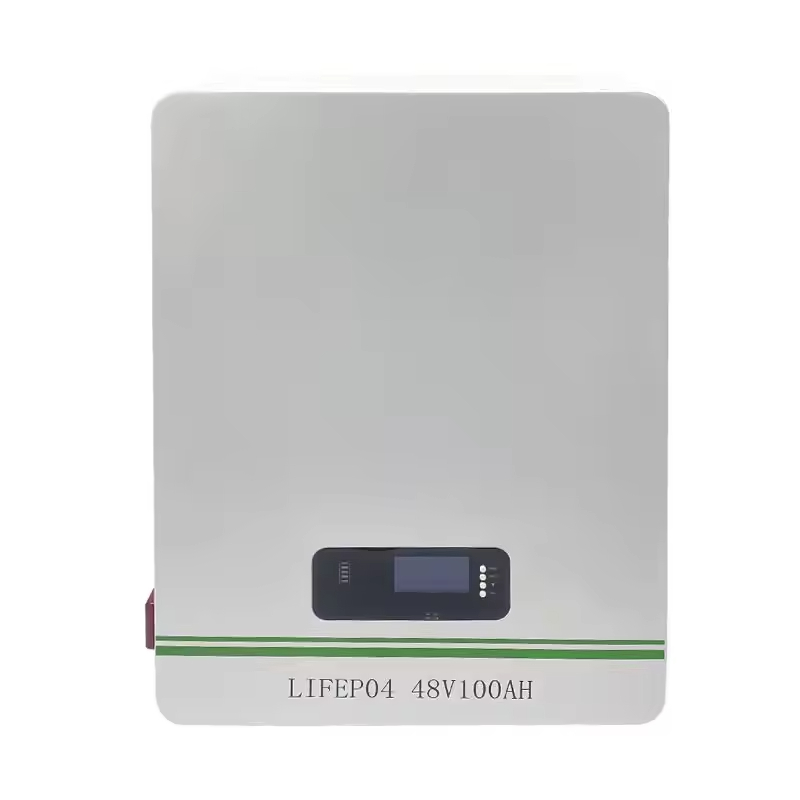
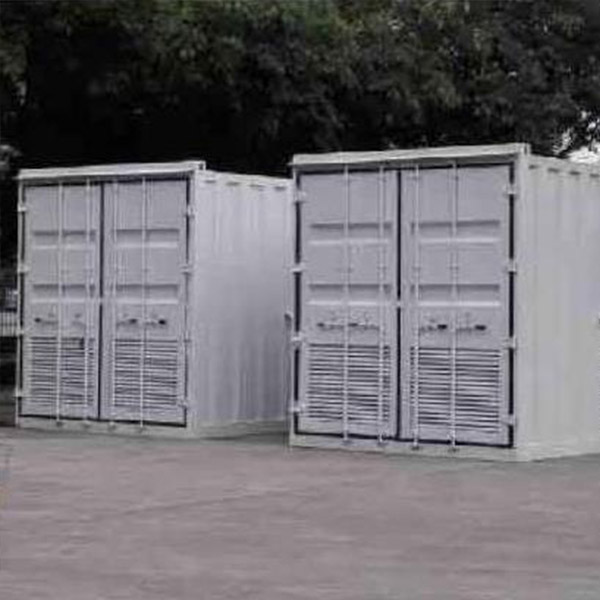
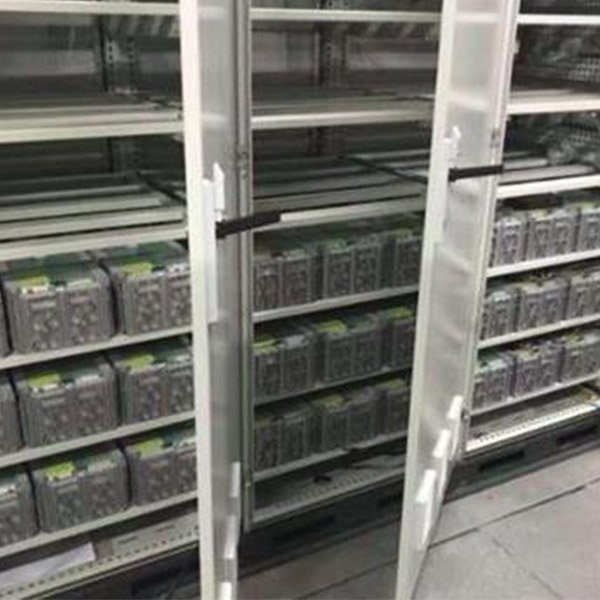
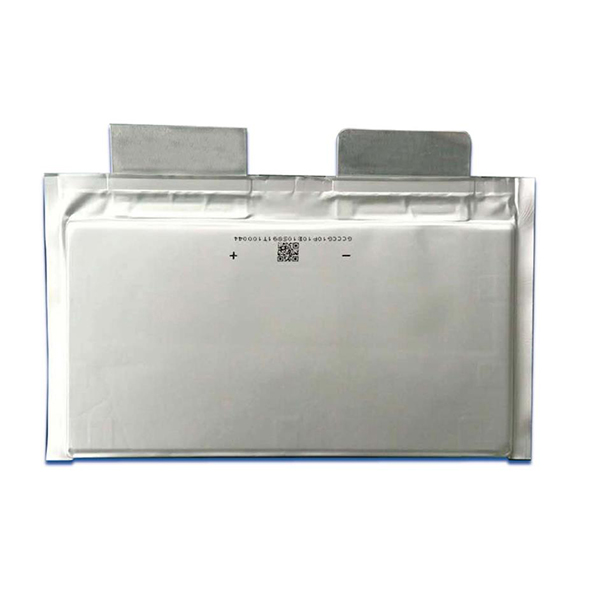
This sort of investigation on various battery types can be a good source of interesting though about how we use and rely on batteries in our lives. There are many alternatives to standard AA or AAA cells that help to keep the gadgets we use in good working order, even in today’s world.
They are commonly used in smartphones, and tablets and laptop computers. But some other batteries have special advantages. They're also great to use on electronics such as digital cameras, handheld game and so on. And they will be able to hold a charge so you can reuse them countless times, which is a smart way to save money in the long run.
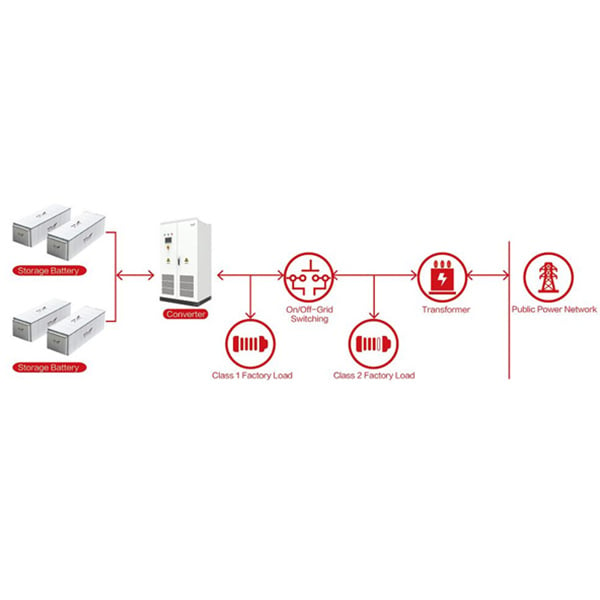
New types of batteries are being developed as technology improves. One of them is so-called solid-state batteries, which use a solid substance in place of a liquid like normal batteries do. The battery in this new design is smaller and lighter, but still potent. Solid-state batteries are also in development, and could be hugely impactful to the future of battery technology.
Other than solid-state, there are plenty of interesting batteries out there! Zinc-air batteries, for example, are commonly used in hearing aids as they run for a very long time. They generate electricity using oxygen in the air, so they are environmentally friendly. Another, cooler choice is the supercapacitor, which can provide bursts of power quickly for devices such as cameras and flashlights. While not as energy-dense as regular batteries, supercapacitors can deliver short bursts of strong power.
Considering alternative methods to power our devices can spark interesting ideas. For instance, researchers are developing bio-batteries that can generate an electric charge from substances such as blood sugar. Think of a smartwatch that draws its power from your wrist! It also exists with respect to the idea of charging devices using movement, for example walking, or typing.” These new concepts may revolutionize how we fuel our everyday gadgets in the future.
Dongturbo Electric Company Ltd (DTEC). is an international corporation, with its headquarter in Chengdu, China, and manufacturing bases in Deyang and Kunming, China, mainly engaged in the manufacturing of power electric equipments, EPCC(engineering, procurement, construction, commissioning), investment & finance, and export and import business. DTEC also has branches and joint venture in Malaysia, Thailand and the Philippines. Our business scope covers EPC, supply equipments and materials for thermal power including boiler, turbine, generator and their auxiliaries, BOP, electric and C& I etc; EPC and equipment supply for PV, thermal solar power, Wind &PV hybrid and energy storage system; spare parts supply and power plant.
Committed to excellence in every aspect of our business, we prioritize building long-lasting relationships with our customers that extend beyond mere transactions. We understand that our clients’ success is our success, and this drives us to consistently deliver not only high-quality products but also exceptional service. Our team is always prepared to go the extra mile, proactively addressing any challenges and anticipating the needs of our customers. By fostering open communication and actively seeking feedback, we ensure that we remain aligned with their goals and expectations. This customer-centric approach allows us to tailor our solutions and support, ultimately enhancing their overall experience and satisfaction. We believe that through these strong partnerships, we can create mutual growth and success, paving the way for a prosperous future together.
Our unwavering commitment to research and development is a cornerstone of our operations, enabling us to stay ahead in the rapidly evolving landscape of power generation technology. By continually investing in innovative practices and the latest advancements, we ensure that our products not only meet but exceed industry standards. This dedication allows us to provide our clients with cutting-edge solutions that are tailored to their unique operational needs. Each customized product is designed to deliver maximum value and efficiency, ultimately empowering our clients to optimize their processes, reduce costs, and enhance their overall productivity. Through this proactive approach, we not only bolster our position as a leader in the industry but also contribute to the sustainable growth of our partners in power generation.
We are a leading global manufacturer and supplier of power generation equipment, dedicated to serving clients worldwide. Our commitment to excellence goes beyond merely providing products; we understand that our success is intrinsically linked to the prosperity of our customers. By prioritizing their needs and challenges, we aim to develop innovative solutions that enhance their operations and drive their growth. Our extensive experience in the industry enables us to offer tailored support, ensuring that each client receives the highest level of service and quality. As we continue to expand our reach, we remain focused on fostering strong partnerships that empower our clients and contribute to a sustainable future in power generation.

 EN
EN
 AR
AR
 DA
DA
 FI
FI
 FR
FR
 DE
DE
 EL
EL
 IT
IT
 JA
JA
 KO
KO
 RU
RU
 ES
ES
 SR
SR
 UK
UK
 VI
VI
 HU
HU
 TH
TH
 TR
TR
 FA
FA
 MS
MS
 LA
LA
 MN
MN