
 EN
EN
 AR
AR
 DA
DA
 FI
FI
 FR
FR
 DE
DE
 EL
EL
 IT
IT
 JA
JA
 KO
KO
 RU
RU
 ES
ES
 SR
SR
 UK
UK
 VI
VI
 HU
HU
 TH
TH
 TR
TR
 FA
FA
 MS
MS
 LA
LA
 MN
MN

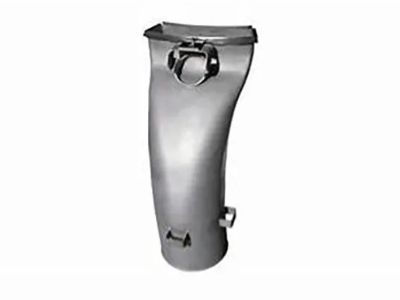
The importance of gas turbine blades within airplanes and power stations is undeniable. Gas turbines generate energy from fuel, and they are vital for many high-volume energy needs. Ongoing advances in the manufacturing process, design, and the overall development of these turbine types have led to significant improvements. DONGTURBO ELECTRIC has remained at the cutting edge of innovation by integrating modern manufacturing and technology to produce these durable and more efficient steam turbine blade. We will look at some of the key areas of Gas Turbine Blade technology and the coating technologies utilized in their manufacture.
Factors To Consider
Gas turbines are an application in which very hostile environments are to be encountered. The extreme temperatures and high pressure levels combined with high rotational speeds mean that the materials from which the blades are manufactured must have a very high degree of strength and resilience. Traditionally nickel alloys are favored but these only have a limited working life. New advanced material technologies include the use of ceramic matrix composites which can cope with significantly higher temperatures, and these are lower in density leading to higher turbine speeds and more efficient engines with better energy outputs, the DONGTURBO ELECTRIC team uses these materials in the manufacture of the turbine blades. Another key area of development is the blade geometry, instead of relying on conventional shapes, simulations carried out using computers enable the blades to be manufactured with far more effective airflow characteristics comparable to tweaking a paper aeroplane to go further. The use of new geometries also allows for increased efficiency in the cooling methods and hence extends the life of the blades, which improves performance and efficiency, hence the blade becomes more reliable and economical. The use of these newer techniques results in safer more economical business for those utilizing this equipment.
Advanced coatings may be added to turbine blades to protect them from excessive temperature, corrosion, or fatigue wear. Extreme temperatures tend to degrade the strength of the turbine blade and can lead to fracture and engine failure, Thermal barrier coatings absorb and radiate heat before it affects the main turbine blade material, therefore prolonging life and increasing the effectiveness. Coatings can prevent friction wear as the blade contacts its stationary surroundings during the spinning process, leading to more resistance from contact, but some coatings help to ensure no debris can cling to the blade, making for an cleaner and smoother operating environment. The effective flow through the engine is then less impaired and hence the business gains increased energy output from the engine using less fuel, like a chain on a bicycle that is well oiled travels faster and further; DONGTURBO ELECTRIC is keen to work with the businesses so that they will work in a "green" business environment by producing efficient engines. It is very apparent that Gas Turbine Blade technology is advancing at a very fast rate and that advanced materials are becoming readily available along with numerous advanced coating technologies that allow blades to become significantly more powerful and fuel efficient as well as highly reliable and durable, DONGTURBO ELECTRIC is proud to support this continued technological advancement.
Typical problems and solutions with a Gas Turbine blade.
The applications that utilize the gas turbine vary from aircraft to power stations. Turbine blades, which are used to turn air into an energy source, are subject to many potential issues. The high operating temperatures are the main problem, as extreme heat can degrade the integrity of the blade and ultimately cause the turbine to stop operating entirely. Over time dust and dirt can accumulate on the surface of turbine blades reducing the airflow and efficiency of the turbine. The latest innovations being made in gas turbine blades center around using stronger materials, more effective design and the use of special coatings that protect against both the extreme temperatures encountered and contaminants, this not only improves the lifespan of the blades but also helps to prevent their efficiency decreasing over time. Modern manufacturing processes can also create higher strength yet lighter blades, and the ongoing work undertaken by DONGTURBO ELECTRIC at improving these methods aims to create a more secure and economical gas turbine rotor blade.
Benefits of using 3D Printing Technology in Gas Turbine Blades
3D printing, otherwise called the additive manufacturing, is changing the way that gas turbine blades are produced. As, opposed to removing the excess material from a solid block like it is done with traditional manufacturing techniques, 3D printing builds the blade by successively adding material on top of each other layer by layer. One of the main benefits using this technology is the ability to design very complex components with optimization on the blades which increases engine efficiency through improvement in the flow of the air over the blade, reducing drag.
Another significant benefit of 3D printing is the reduction of waste of material since it only adds material where necessary, therefore the cost is decreased and the environmental impact is reduced. DONGTURBO ELECTRIC think this design provides cheaper, but effective turbine blades. At last, the time to produce components can be shortened and it can be produced at high speed when components fail due to it providing quicker replacement and thus reducing engine down time. In conclusion, this is one of the main improvements to gas turbine blade technology.
What trends are influencing future gas turbine blade technology?
As technology progresses, the design of gas turbine blades will also change. One of the main trends is the use of advanced materials which are capable of enduring higher levels of heat and pressure thus enabling more powerful engines. These include ceramics which can tolerate extremely high temperatures with minimal damage and will facilitate the hotter operation needed for best results.
Another trend that is influencing the technology is the move towards greater sustainability. Companies such as DONGTURBO ELECTRIC aim to reduce the gas turbine blade impact on the environment through less emission of pollution-producing gasses. This will be done through improved blade design and materials.
The use of digital tools will also continue to grow in importance. Simulations and tests can now be performed in a virtual world to detect any design problems that exist before the actual blade is made, thus ensuring the efficiency and high quality of the product. These future trends suggest a very promising future for gas turbines.